Kerala’s Startup Revolution: From Grassroots Innovation to a Thriving Future Ecosystem
Origin and Beginning of Startup Ecosystem in Kerala
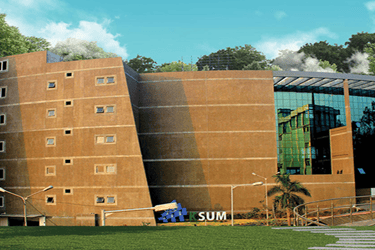
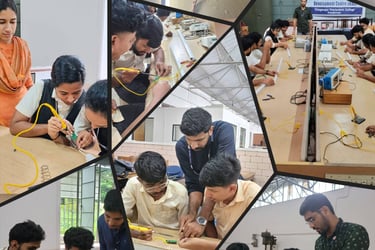
The startup ecosystem in Kerala did not begin with a single company but with a structured initiative by the government around 2014. The launch of Innovation and Entrepreneurship Development Centres (IEDCs) in colleges marked the starting point of organized startup culture in the state. These centres encouraged students to develop ideas and convert them into startups during their academic years. At the same time, the establishment of Kerala Startup Mission (KSUM) created a strong institutional backbone by providing funding, incubation, mentorship, and policy support. Thus, Kerala first built a systematic ecosystem, rather than depending on individual early startups.This approach ensured that entrepreneurship was promoted at the grassroots level. It also created awareness among students about innovation and business opportunities. As a result, the foundation of the ecosystem became strong and well-planned from the beginning.
Growth and Structure of the Ecosystem
Over time, Kerala developed a distributed startup model with key hubs in Thiruvananthapuram, Kochi, and Kozhikode. Major IT parks like Technopark and Infopark act as anchors for innovation and entrepreneurship. Today, the ecosystem includes 8,000+ startups, 60+ incubators, and 550+ mini incubation centres, making it one of the most organized ecosystems in India. Unlike cities such as Bengaluru, Kerala’s growth is balanced across regions, ensuring wider participation and inclusivity. This decentralized model helps reduce pressure on a single city. It also allows startups from smaller towns to grow and succeed. Such a structure promotes equal opportunities and strengthens regional development across the state.
Major and Famous Startups from Kerala
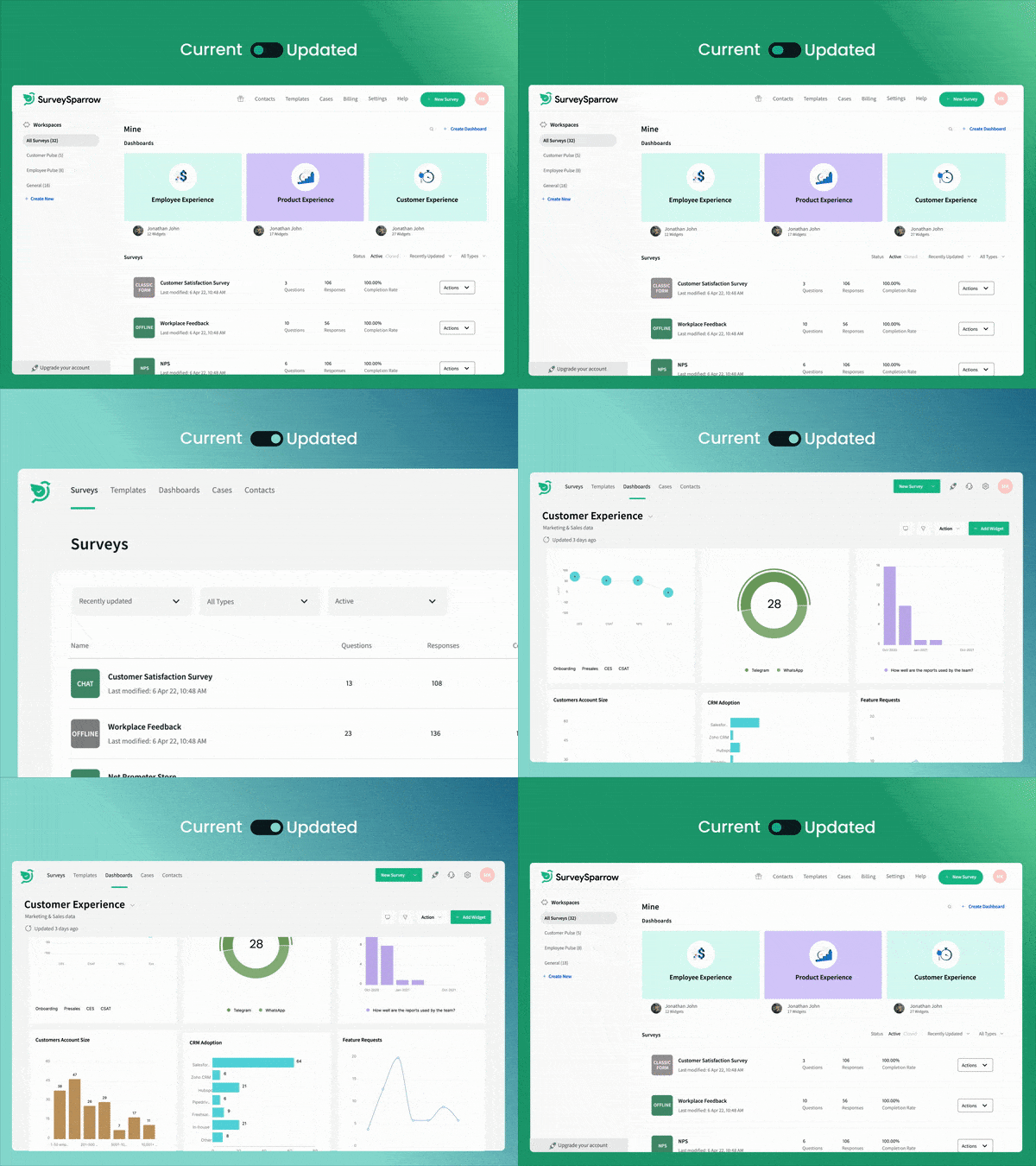
Kerala has produced several successful and impactful startups across different sectors. Genrobotics stands out for its Bandicoot robot that eliminates manual scavenging, making it globally recognized for social innovation. Open Financial Technologies became Kerala’s first unicorn, offering digital banking solutions for businesses. SurveySparrow gained international popularity in the SaaS space, while Entri App transformed the edtech sector by helping job aspirants and learners. In the consumer segment, Beyond Snack successfully globalized Kerala banana chips. Deep-tech startups like EyeROV (underwater drones) and Netrasemi (AI chips) show Kerala’s entry into advanced technology domains. These startups highlight the diversity and innovation strength of the state.They also demonstrate how Kerala startups are solving real-world problems. Their success inspires new entrepreneurs to build innovative solutions.
Present Size of the Ecosystem (2025–2026)
As of 2025–2026, Kerala has grown into a mid-sized but rapidly expanding startup ecosystem. The state hosts more than 8,000 startups, which together have created around 65,000 jobs. With over $665 million in funding facilitated, the ecosystem is contributing significantly to economic development. The presence of numerous incubators and innovation centres ensures continuous support for new ventures, making Kerala a stable and structured startup environment. This growth reflects the effectiveness of long-term planning and policy support. It also shows that startups are becoming an important part of Kerala’s economy. The increasing number of jobs highlights the social and economic impact of the ecosystem.
Growth Trend and Expansion
Kerala’s startup ecosystem is currently experiencing rapid expansion, growing at an average rate of about 20% annually. The total ecosystem valuation is estimated at around $1.7 billion, reflecting increasing market strength. Compared to global averages, Kerala’s growth is significantly higher, indicating that the ecosystem has moved beyond its initial stage and is now in a strong growth phase with increasing momentum. This rapid growth is attracting attention from investors and entrepreneurs. It also shows that Kerala is becoming competitive with other startup regions. Continued expansion will further strengthen its position in the national startup landscape.
Funding and Investment Scenario
The funding scenario in Kerala is improving steadily. In 2025, startups raised approximately $14.7 million in the first nine months, marking a 147% increase compared to the previous year. This indicates rising investor confidence. However, Kerala still ranks around 13th in India in terms of funding, showing that it still trails behind major startup hubs. Therefore, while funding is growing rapidly, it remains one of the key areas for further development. More venture capital firms and angel investors are needed to support startups. Improved access to funding will help startups scale faster. Strengthening financial support systems is crucial for long-term growth.
Emerging Sectors and Innovation Focus
A notable trend in Kerala’s ecosystem is the shift toward advanced and future-oriented sectors. Startups are increasingly focusing on Artificial Intelligence, Robotics, Electric Vehicles, Semiconductor technology, HealthTech, AgriTech, and Sustainability. This transformation shows that Kerala is evolving from simple digital startups to deep-tech and research driven innovation, which is essential for long term competitiveness. These sectors have high global demand and future potential. By focusing on them, Kerala is preparing for upcoming technological changes. This also increases the chances of global recognition and investment. Innovation in these areas will strengthen the ecosystem further.
Infrastructure and Recent Developments
The government is actively investing in infrastructure to strengthen the ecosystem. New initiatives such as the Emerging Tech Startup Hub at Technopark and collaborative innovation spaces like Freedom Square are under development. Special incubation programs for EV and deep-tech startups are also being introduced. These efforts indicate Kerala’s commitment to building a future ready startup ecosystem with strong physical and technological foundations. Better infrastructure supports collaboration and innovation. It also attracts new startups and investors to the state. Continuous development in infrastructure will ensure long-term sustainability and growth.
Talent Development and Workforce Trends
Kerala’s strength lies in its strong talent ecosystem. With more than 500 innovation centres in educational institutions, students actively participate in startup creation. Government initiatives are also encouraging professionals working outside the state to return, promoting “brain gain.” Additionally, the rise of Global Capability Centres is generating employment and exposure. This ensures a continuous flow of skilled talent and innovative ideas. Skilled human resources are essential for startup success. Kerala’s focus on education and innovation helps maintain this strength. Talent availability gives the state a competitive advantage.
Challenges in the Ecosystem
Despite significant progress, Kerala faces certain challenges. Access to venture capital is still limited, and the number of large-scale startups and unicorns is relatively low. Funding fluctuations can create uncertainty for startups. Moreover, talent migration to bigger cities like Bengaluru still exists, although efforts are being made to reduce it. These challenges show that the ecosystem is still developing and maturing. Addressing these issues is important for future growth. Policy improvements and investor support can help overcome these barriers. Solving these challenges will make the ecosystem more stable and competitive.
Overall Status and Future Outlook
In conclusion, Kerala’s startup ecosystem in 2026 is in a “growth and transition stage.” It is no longer an emerging ecosystem but has not yet reached the level of India’s top startup hubs. With strong government support, expanding infrastructure, increasing funding, and a shift toward deep tech innovation, Kerala is steadily becoming a sustainable, inclusive, and future ready startup hub. The ecosystem holds great potential to become one of India’s leading innovation centres in the coming years.Continued efforts in policy, funding, and talent development will be important. The future outlook remains highly positive and promising.